Mushroom compost, sometimes called fresh mushroom compost, is an organic compost material created from the growing medium used in mushroom farming. After mushrooms are harvested, the remaining composted material is recycled into a rich soil amendment packed with organic matter and nutrients.
Mushroom compost commonly contains compost, straw, hay, poultry litter or manure, gypsum & organic growing materials. The result is a dark, nutrient-rich compost that improves soil structure, drainage, moisture retention, and overall growing conditions.
Note: Fresh mushroom compost is not screened and may contain some debris mixed in. This is common with unscreened mushroom compost. If you are looking for a cleaner, screened material, shop Premium Leafgro Compost.
Best Projects for Mushroom Compost
Garden Beds: One of the most common uses for mushroom compost is in flower beds and vegetable gardens. Mushroom Compost supports healthier blooms and vegetables. For best results, mix mushroom compost into existing soil before planting.
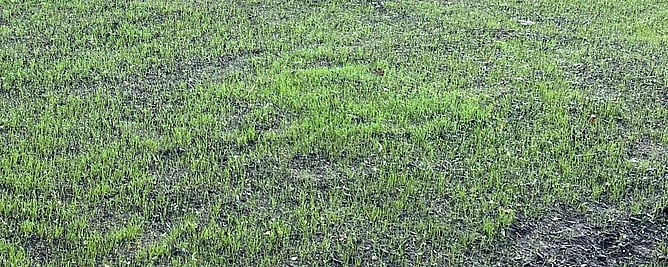
Lawn Installation & Lawn Repair: Mushroom compost is excellent for lawn projects because it improves soil quality beneath new seed or sod. Many homeowners spread a thin layer of mushroom compost before seeding or sod installation.
Tree & Shrub Planting: Adding mushroom compost around trees and shrubs helps improve root development and soil health. Mix compost into planting holes or use it as a top dressing around landscape beds.
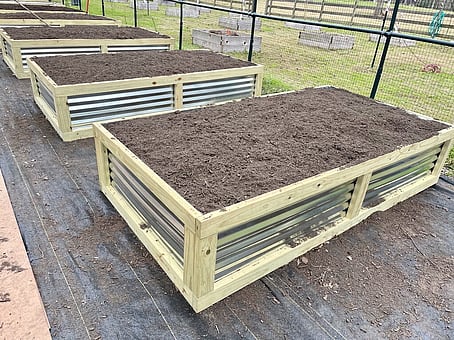
Raised Garden Beds: Raised beds benefit tremendously from mushroom compost because it helps create a nutrient-rich growing environment. Mushroom compost can be blended with topsoil, garden soil, or sand depending on the project.
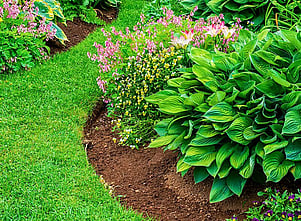
Landscape Bed Refreshes: Refreshing old planting beds with mushroom compost helps rejuvenate tired soils and improve plant performance. Adding compost before mulching helps improve overall soil health and moisture retention.
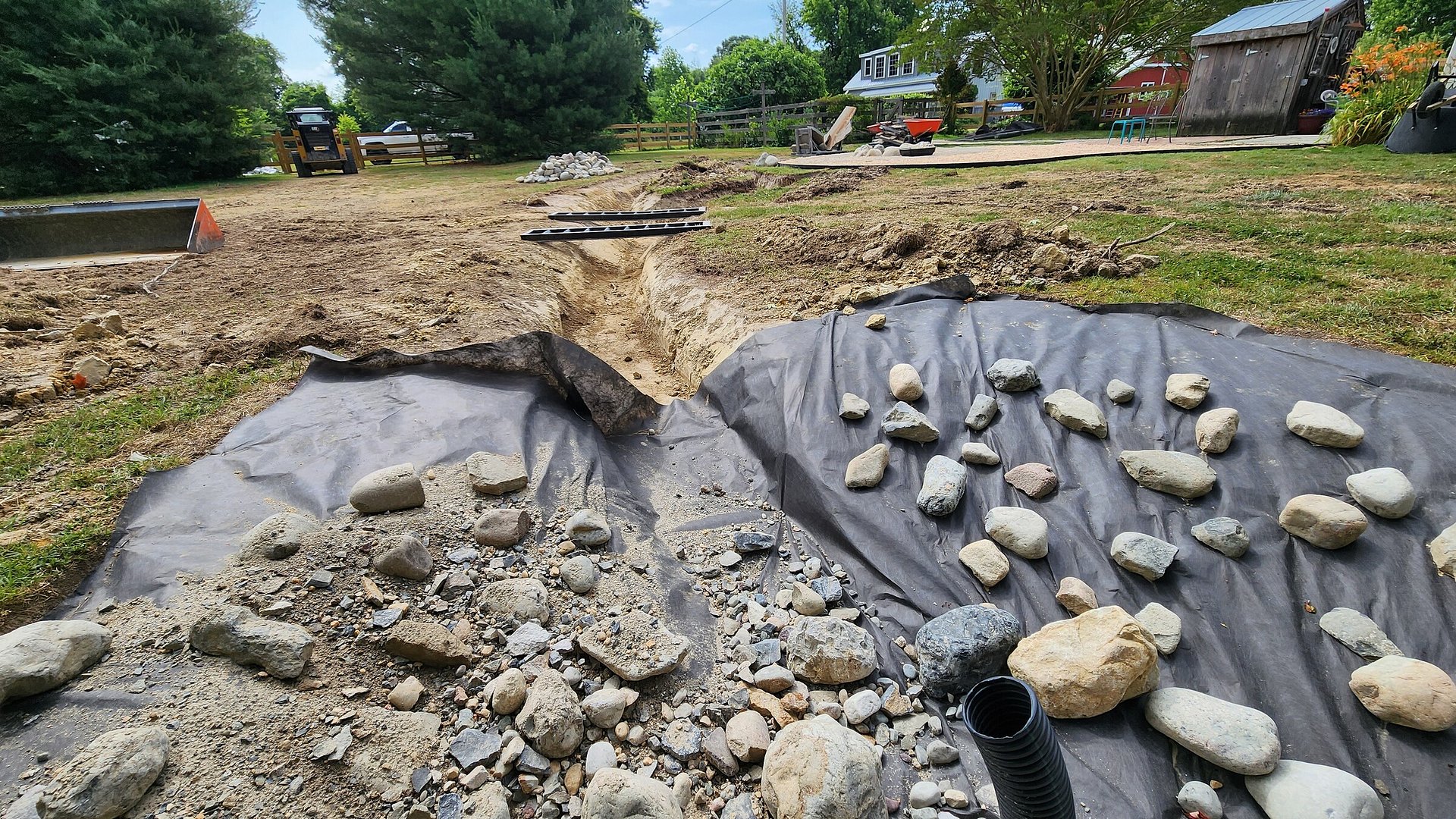
Soil Improvement Projects: Mushroom compost works well in areas with poor soil conditions, such as heavy clay soil, poor drainage, compacted ground, or weak growth. It is commonly blended into soil during larger landscape renovations, grading projects, and planting bed improvements.
How Much Mushroom Compost Should You Use?
Gardens: 2–4 inches mixed into soil
Lawn prep: 1/4–1/2 inch topdressing
Raised beds: Blend 20–40% into soil mix
Tree & shrub beds: 1–2 inch layer around plants
Avoid using mushroom compost alone as 100% planting soil. It performs best when blended with topsoil, garden soil, or existing soil.